


Air-Cooled Water-Cooled Drum Cooler Machine
The Foundry Sand Drum Cooler by Guoning is a high-performance cooling solution designed for sand treatment in lost foam casting and other foundry processes. This equipment rapidly cools hot recycled sand to a controlled temperature, ensuring consistent sand quality for reuse. With a combination of water cooling and air cooling, and automatic sand flow and temperature regulation via PLC, it delivers stable performance while minimizing manual operation.
This drum cooler is ideal for foundries seeking to enhance production efficiency, reduce energy consumption, and maintain the quality of recycled sand throughout the casting process.
description2
product display
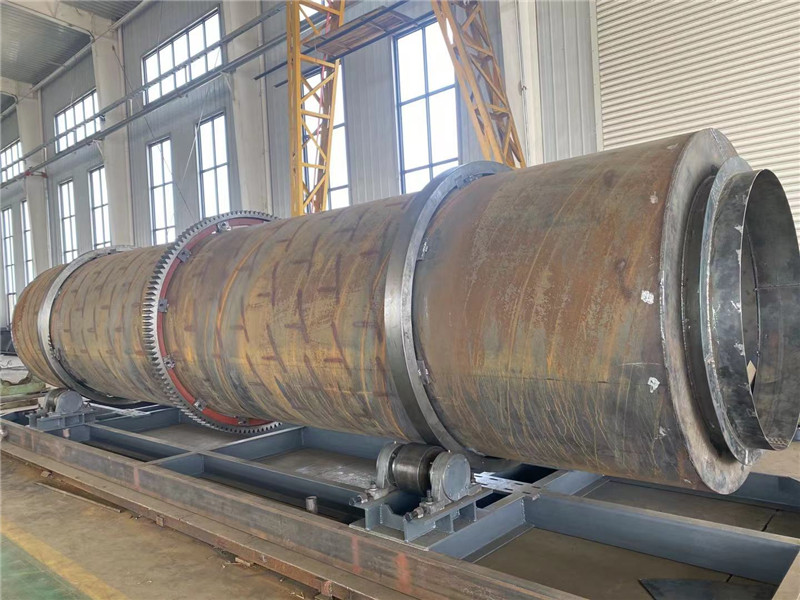
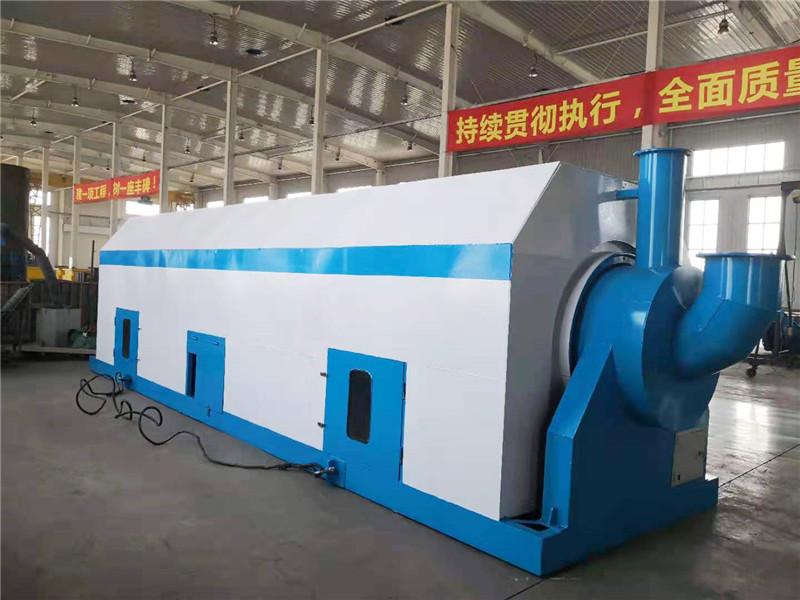
Main technical parameters
- Overall dimensions: 8200*2000*2250mm;
- Power requirements: AC power with a rated frequency of 50Hz and a rated voltage of 380V (deviation ± 5%);
- Power: 15KW+0.75KW ×1;
- Shell steel plate thickness: 4mm, 10mm Bottom channel steel: 20 # channel steel;
- Transmission method: gear transmission;
- The bearing seat is made of cast steel to enhance strength;
- Conveying capacity: ≥ 7.5m ³/ h (20-40 quartz sand or pearl sand);
- Drum speed: Drum speed: 5-15r/min
- Cooling water consumption: 50-100 m ³/ h;
- Fan model: SF NO4-4; Air volume: 9300m3/h; Power: 0.75KW.
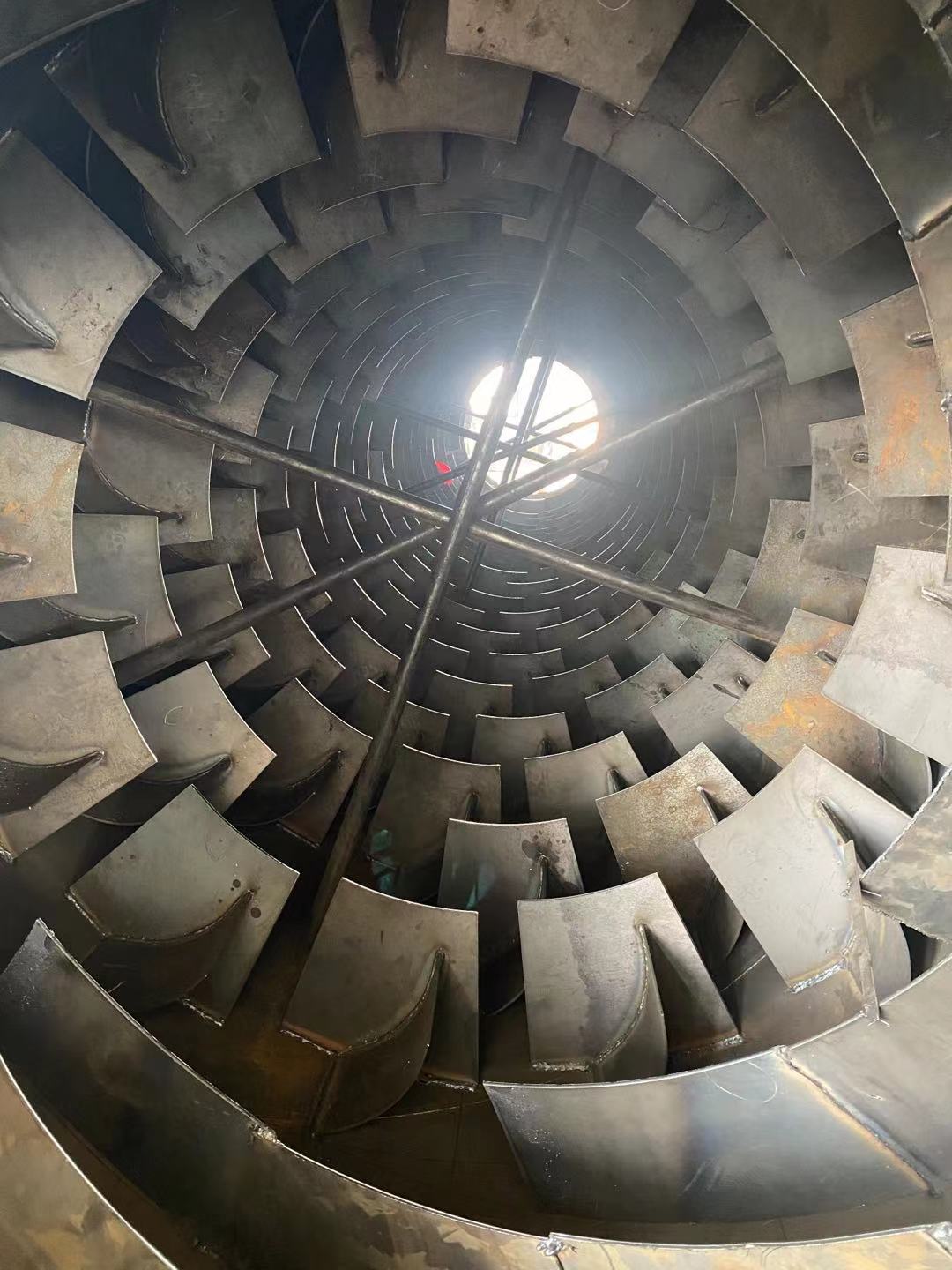
Product structure
- Horizontal cooling outer box: one set;
- Horizontal cooling inner drum: one set;
- Gear drive;
- Drive device: one set;
- Water-cooling system.
Working Principle
Hot recycled sand enters the drum from the feeding hopper. As the drum rotates, the spiral lines lift and transport the sand, allowing air and water to efficiently absorb heat. An axial flow fan directs airflow from the sand outlet into the drum, guiding heat and dust toward the exhaust. The hot air passes through a cyclone dust collector, which removes dust before clean air is discharged. Water pipes spray both the inside and outside of the drum, providing rapid cooling and ensuring sand reaches the desired temperature efficiently. A blocking wheel system prevents excessive axial force, ensuring safe and stable operation.
Structure and Components
- Horizontal Cooling Outer Box: Robust frame housing the drum and cooling systems.
- Horizontal Cooling Inner Drum: Cylindrical drum with δ9 spiral steel pipes and internal spiral lines for lifting and transporting sand.
- Gear Drive & Drive Device: Ensures smooth drum rotation and uniform sand movement.
- Water-Cooling System: Sprays water on the drum exterior to accelerate heat transfer.
- Dust Removal Assembly: Dust collection port with axial flow fan and cyclone dust collector ensures safe and clean operation.
Performance Advantages
- Rapid and Uniform Cooling: Optimized design reduces cooling time without compromising sand quality.
- Consistent Sand Quality: Precise temperature control prevents thermal damage to sand grains.
- Energy Efficiency: Smart use of water and air reduces operational costs.
- Durable Construction: Heavy-duty drum and drive system ensure long-term reliability.
- Environmental Compliance: Integrated dust removal minimizes emissions and improves workplace conditions.
Applications
- Lost foam casting in automotive, machinery, and industrial component production.
- Continuous sand recycling processes in foundries.
- High-volume production lines requiring precise sand temperature control.
Where the Drum Cooler Is Installed in a Sand Recycling Line
The foundry sand drum cooler is normally installed after hot sand separation and before the cooled sand returns to storage, molding or further sand treatment.
A typical process arrangement is:
Shakeout or Sand Separation → Screening → Magnetic Separation → Drum Cooling → Sand Storage → Sand Feeding or Reuse
The exact arrangement may vary according to the foundry process and existing equipment.
The drum cooler can be connected with:
- Shakeout equipment
- Vibrating screening machines
- Magnetic separators
- Belt conveyors
- Screw conveyors
- Plate chain elevators
- Sand storage hoppers
- Dust collection systems
- Central PLC control systems
For new projects, GUON can design the complete sand cooling and conveying arrangement. For existing foundries, the machine can be configured according to the available inlet height, outlet height, workshop layout and existing conveyor positions.
Matching the Cooler to Different Foundry Conditions
Lost Foam Casting Sand Recycling
In lost foam casting, recycled dry sand must be cooled before it returns to the molding process. Excessively hot sand can affect foam pattern stability, molding conditions and continuous production.
The cooler should be matched with the screening, conveying, storage and dust collection equipment to maintain continuous sand circulation.
Continuous High-Volume Production
For production lines with continuous hot sand discharge, the cooler must handle both the average flow rate and temporary production peaks.
The equipment configuration should consider:
- Maximum hourly sand volume
- Temperature variation during different production periods
- Required operating hours per shift
- Sand storage capacity before and after cooling
- Coordination with upstream and downstream conveyors
Existing Sand Line Upgrades
When installing a drum cooler in an existing foundry, the main considerations include:
- Available floor space
- Feeding and discharge elevations
- Existing conveyor capacity
- Water supply and drainage conditions
- Dust collection connection
- Electrical control compatibility
- Maintenance access
- Foundation load and installation conditions
GUON can review the customer’s current line layout and recommend an integration solution without replacing unrelated equipment.
Automatic Temperature and Sand Flow Control
Stable sand cooling requires coordinated control of sand feed, drum rotation, airflow and cooling water.
Depending on the final equipment configuration, the PLC control system can be designed to manage:
- Sand feeding rate
- Drum rotational speed
- Cooling water supply
- Fan operation
- Sand inlet and outlet temperature monitoring
- High-temperature alarms
- Motor overload protection
- Low water pressure alarms
- Equipment start and stop sequence
- Interlocking with upstream and downstream machines
The control system can also be integrated into the customer’s central sand treatment line where the required communication interface is confirmed in advance.
Available electrical component brands, PLC brands, control language and communication requirements should be specified during technical confirmation.
Installation and Utility Requirements
Before installing the foundry sand drum cooler, the customer should confirm the required workshop and utility conditions.
Required Site Information
- Available installation length, width and height
- Feeding inlet position
- Discharge outlet position
- Upstream and downstream equipment layout
- Foundation conditions
- Maintenance access area
- Dust extraction duct location
- Electrical control cabinet position
Utility Information
- Power supply voltage and frequency
- Available cooling water temperature
- Cooling water pressure
- Water circulation method
- Water quality
- Drainage arrangement
- Dust collector air volume
- Compressed air requirements, when applicable
A workshop drawing or existing production line layout allows GUON to confirm the equipment interface before manufacturing.
Inspection and Maintenance Points
Routine inspection helps maintain stable cooling performance and reduces unplanned production stoppages.
Recommended inspection points include:
- Check the gear drive and transmission system
- Inspect the bearing seats and lubrication condition
- Check drum rotation for abnormal vibration or noise
- Remove sand accumulation around the feeding and discharge areas
- Inspect internal spiral structures for wear
- Check cooling water pipes and connections for blockage or leakage
- Inspect the fan and exhaust duct
- Clean the dust collection connection
- Check temperature sensors and PLC signals
- Inspect electrical cables and motor operating current
- Confirm that safety guards and emergency stops are functional
The maintenance schedule should be adjusted according to operating hours, sand abrasiveness, inlet temperature and workshop conditions.
Wear parts, recommended spare parts and lubrication requirements can be confirmed before shipment.
Individual Machine or Complete Sand Cooling System
GUON can supply the foundry sand drum cooler as an individual machine or as part of a complete sand treatment system.
Individual Drum Cooler
Suitable for foundries that already have:
- Sand screening equipment
- Conveying equipment
- Dust collection equipment
- Sand storage hoppers
- Electrical control systems
The machine interface is customized to match the existing production line.
Complete Sand Cooling System
A complete system may include:
- Feeding conveyor
- Screening machine
- Magnetic separator
- Foundry sand drum cooler
- Chain elevator
- Sand storage hopper
- Dust collector
- Electrical control cabinet
- Temperature monitoring and interlocking controls
The system configuration is determined according to the sand processing capacity, workshop layout and required automation level.
Information Required for a Drum Cooler Quotation
To prepare an accurate equipment selection and quotation, please provide the following information:
- Foundry process
- Sand type
- Sand particle size
- Sand bulk density
- Required processing capacity
- Average and maximum inlet temperature
- Required outlet temperature
- Average and maximum sand flow
- Daily operating hours
- Cooling water inlet temperature
- Available water flow and pressure
- Workshop ambient temperature
- Available installation space
- Feeding and discharge heights
- Existing upstream and downstream equipment
- Dust collection requirements
- Local voltage and frequency
- Destination country
Send your sand temperature, processing capacity and workshop layout to receive a customized foundry sand drum cooler proposal.
Cooperated with Guoning
The Foundry Sand Drum Cooler from Guoning delivers reliable, high-efficiency sand cooling for lost foam casting operations. With advanced cooling technology, automated control, and robust construction, it ensures consistent sand quality, lowers operational costs, and improves overall production efficiency. For foundries aiming to optimize sand recycling and maintain stable casting performance, this drum cooler provides a trusted, environmentally compliant solution.
Ideal for foundries, casting workshops, and industrial manufacturers looking to enhance sand treatment efficiency and quality.
Frequently Asked Questions
What is a foundry sand drum cooler used for?
A foundry sand drum cooler reduces the temperature of hot return sand before the sand is stored or reused in the casting process. It is commonly installed in sand recycling and treatment systems where stable sand temperature is required for continuous production.
How do I determine the required drum cooler capacity?
The required capacity depends on the maximum hourly sand flow rather than only the average production volume. Inlet temperature, required outlet temperature, sand type, ambient temperature, cooling water conditions and daily operating time must also be considered.
What information is needed to confirm the outlet sand temperature?
The supplier needs the inlet sand temperature, processing capacity, sand properties, water inlet temperature, available water flow, ambient temperature and required outlet temperature. The outlet target should be confirmed under clearly defined operating conditions.
Can the drum cooler handle changing sand flow rates?
The equipment can be configured with PLC-based sand flow and temperature control. However, the maximum expected flow and temperature fluctuations should be provided during equipment selection so that the drum, fan and cooling system are sized correctly.
Can this cooler be added to an existing sand treatment line?
Yes. The machine can be connected with existing screening, conveying, storage and dust collection equipment. The customer should provide the current line layout, feeding height, outlet height, available space and electrical requirements.
Is a dust collector required?
Hot sand movement can generate dust, so the cooler should normally be connected to an appropriately sized dust collection system. The required exhaust volume and duct configuration should be confirmed according to the actual sand flow and installation conditions.
What cooling water information should be provided?
Please provide the water inlet temperature, pressure, available flow, water quality and circulation method. These conditions affect heat transfer performance and the final system configuration.
What parts require routine maintenance?
Routine maintenance normally includes the transmission system, bearings, internal spiral structures, water pipes, fan, temperature sensors, dust extraction connection and electrical controls. Inspection frequency depends on operating hours and sand abrasiveness.
Can GUON supply the conveying and screening equipment together?
Yes. The drum cooler can be supplied with screening machines, magnetic separators, conveyors, elevators, storage hoppers, dust collectors and control systems as a complete sand treatment solution.
Can the machine specifications be customized?
The feeding and discharge interfaces, processing capacity, control system, electrical configuration and system layout can be adapted according to the customer’s production line. Final specifications are confirmed through technical evaluation.